What the regulator announced
From 1 October 2026, CRE’s tax-inclusive gas benchmark increases from €172.05 to €182.88/MWh, or 6.3%. CRE estimates an average October impact of €5.28 including taxes for indexed offers. This is an estimate, not a universal surcharge.
The benchmark is not a tariff consumers can subscribe to. Your contract formula determines the effect. Fixed-price offers are not affected by this particular index movement; check the fixed period and any contractual exclusions.
Read the contract before the bill
Identify the reference index, revision date and components actually fixed. Separate the standing charge from the consumed-energy price. Do not compare a benchmark in €/MWh with one component of a supplier’s offer without aligning units and costs.
Equal monthly payments may be advances rather than charges for that month’s actual use. Meter reconciliation can produce a later adjustment. A change in the advance is not the same as a change in the unit price.
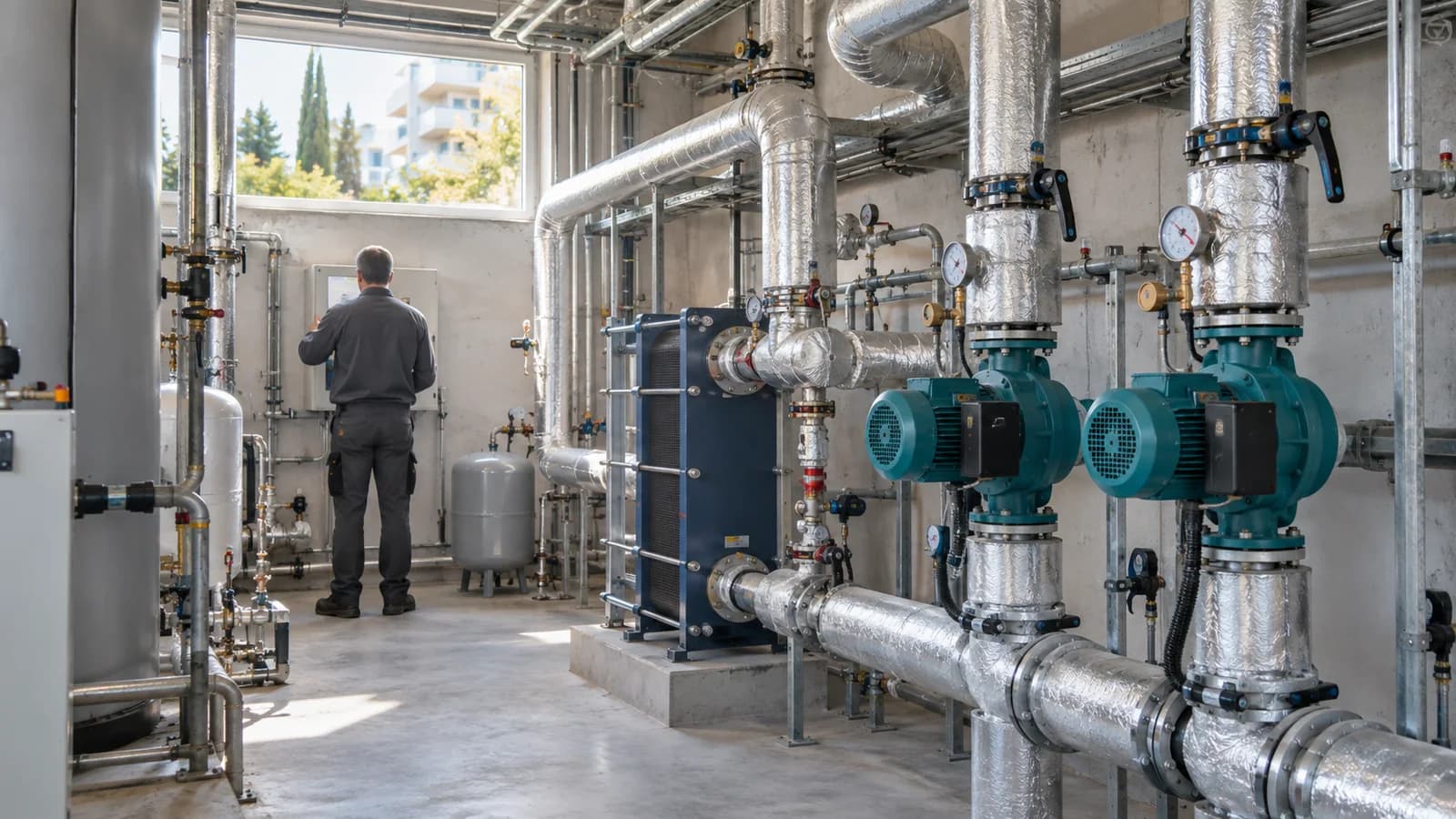
Individual and communal heating differ
For a personal supply contract, obtain the tariff sheet and annual reconciliation. For a communal boiler, ask the syndic about the building’s contract, expiry, allocation rules and maintenance expenses. A household benchmark cannot automatically describe the building’s commercial contract.
Compare offers using the same annual consumption and period. Include standing charges, indexation, expiring discounts and price-change clauses. A single advertised percentage is insufficient.
Include heating in purchase checks
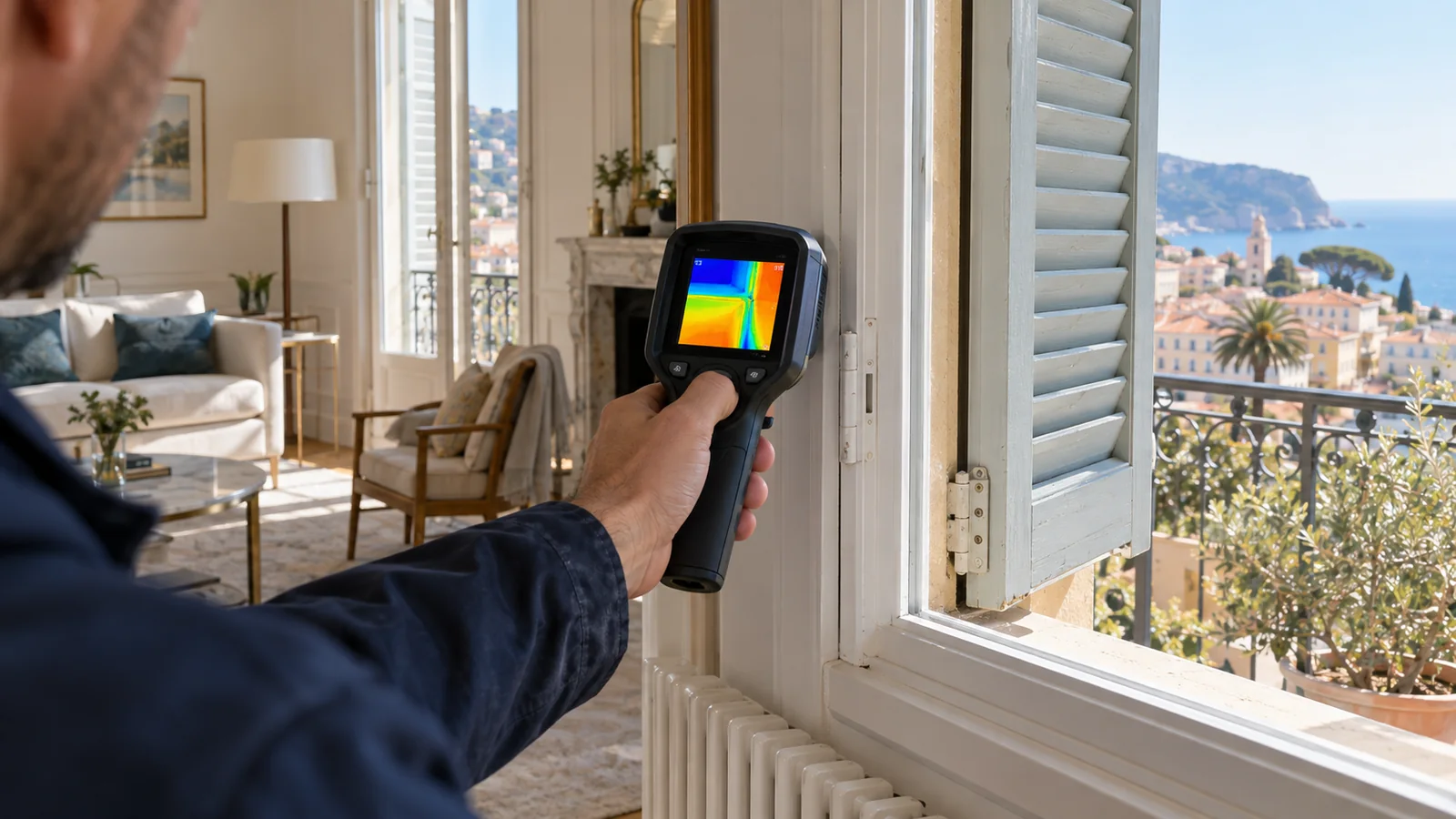
Request annual bills, boiler maintenance and repair records, plus meeting minutes concerning heating replacement. Relate spending to floor area, occupancy and previous use. Keep a separate allowance for equipment maintenance.
For some Cannes–La Bocca properties, also check whether the building has a documented district-heating connection plan. An address in the neighbourhood alone does not establish connection.
Sources and verification date
Checked on 21 September 2026. Observation periods and limitations are identified in the article.